A Beginner's Guide to Affiliate Marketing:
What to do and how to get started
What is affiliate marketing?
Affiliate marketing is one of the most popular ways to monetize a website.
You wouldn’t be the first to have never heard this term before, and you’re probably wondering, “What is affiliate marketing?”.
Simply put, affiliate marketing is when a business markets its offers through a third party with affiliate links that people can click on to take them to the product that’s offered.
When you add affiliate links to your website, you’ll receive a commission from each person that clicks your affiliate link and completes a conversion action.
This means that you make money when your customers buy another company’s products that you marketed on your website or blog.
When this is done effectively, it’s a win-win situation for everyone!
How does affiliate marketing work?
Let’s start with the basics — affiliate marketing is made up of three parts:
The seller or merchant — the business that has an offer that needs to be marketed to customers
The affiliate or publisher — the publisher that markets the offer (this is you when you include affiliate links on your website)
The consumer — the customer that purchases the offer
For your affiliate marketing to be successful, each of these 3 aspects needs to be considered and it works like this:
The seller gains profit from its marketed offer, the affiliate earns money through commission, and the consumer gets what they want.
Who wouldn’t find this an appetizing offer?
Let’s look at an example of ebooks:
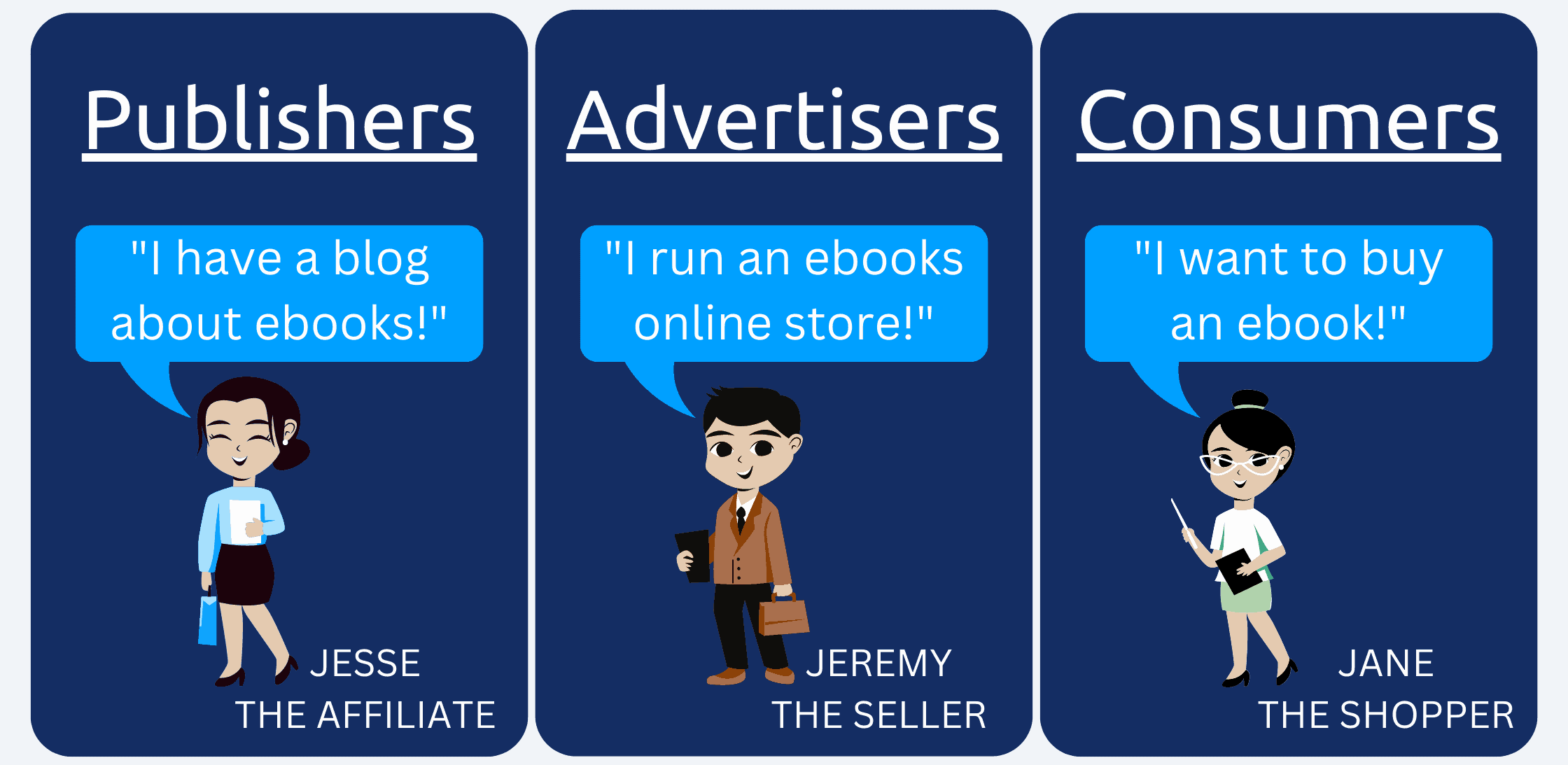
In this example, Jesse (the affiliate) has an ebook blog with a wide audience.
Jeremy sells ebooks and wants to get into business with Jesse so that his ebooks can be advertised on Jesse’s famous ebook blog.
This way he can get more and more sales from people who are already ebook enthusiasts.
Jesse will earn a commission every time her audience clicks on a link and takes a conversion action on Jeremy’s online ebook store, such as buying an ebook.
The consumers, like Jane, get the content of Jesse’s blog plus the opportunity to buy ebooks from Jeremy’s online store if they wanted to.
See? It’s a win-win situation for everyone involved!
But we know that you’ve got some burning questions about the nitty-gritty aspects of how exactly all this happens.
So, let’s get into how each part of the process works.
Here’s an overview of the affiliate marketing process in 4 easy steps:
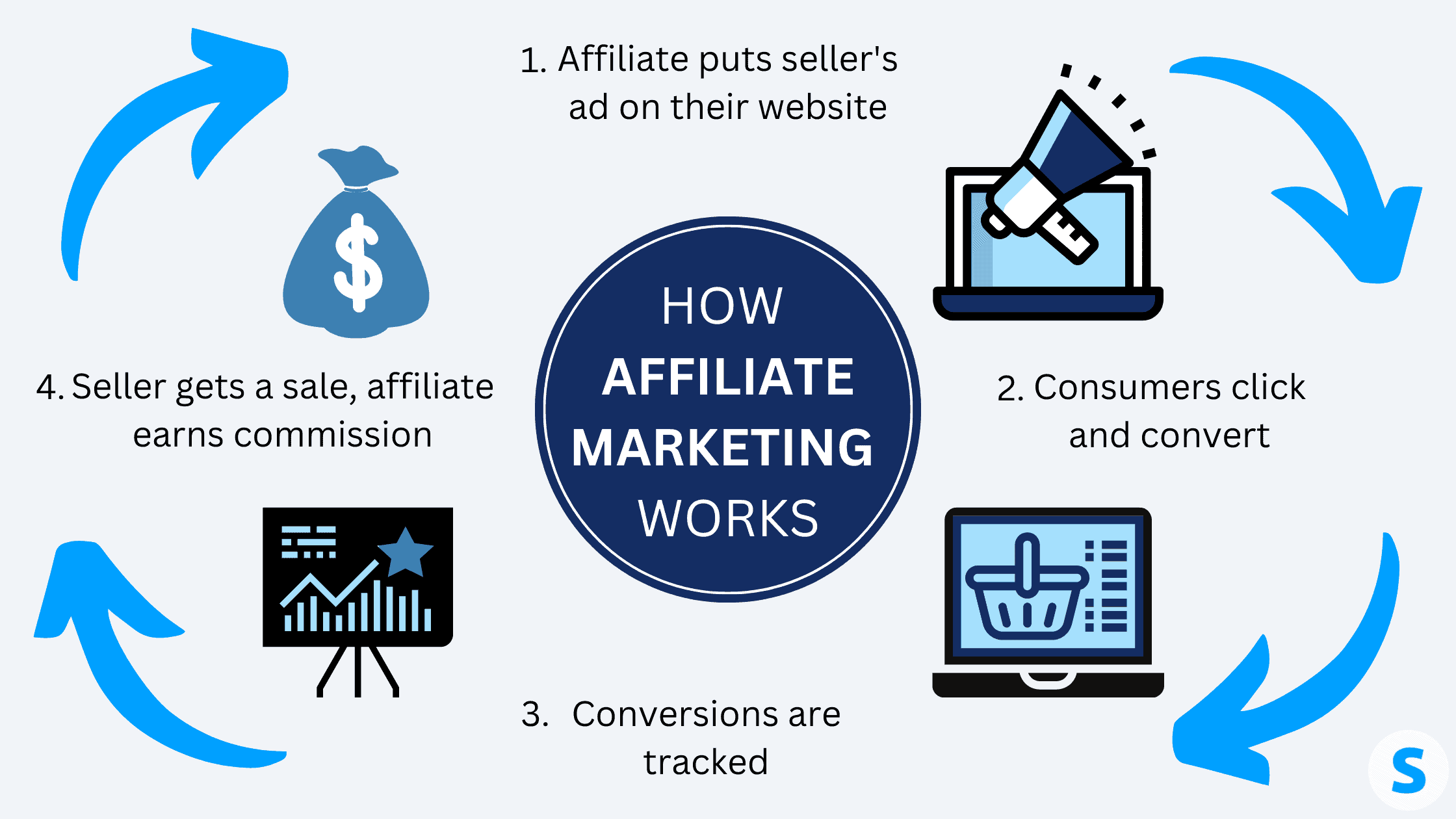
Find a product that you like and would recommend to your customers and that’s relevant to the needs of your audience
On your affiliate site, you then endorse the product and promote it to your visitors and email subscribers (with your unique affiliate link)
If they like the product, they’ll click your affiliate link, purchase the product, and you’ll get a commission
These are the fundamentals of affiliate marketing, and we’re here to walk you through every step of the process.
Let’s dive into more details on how affiliates get links from businesses to market, what you can expect to earn, and how you can expect to be paid.
The difference between affiliate networks and programs
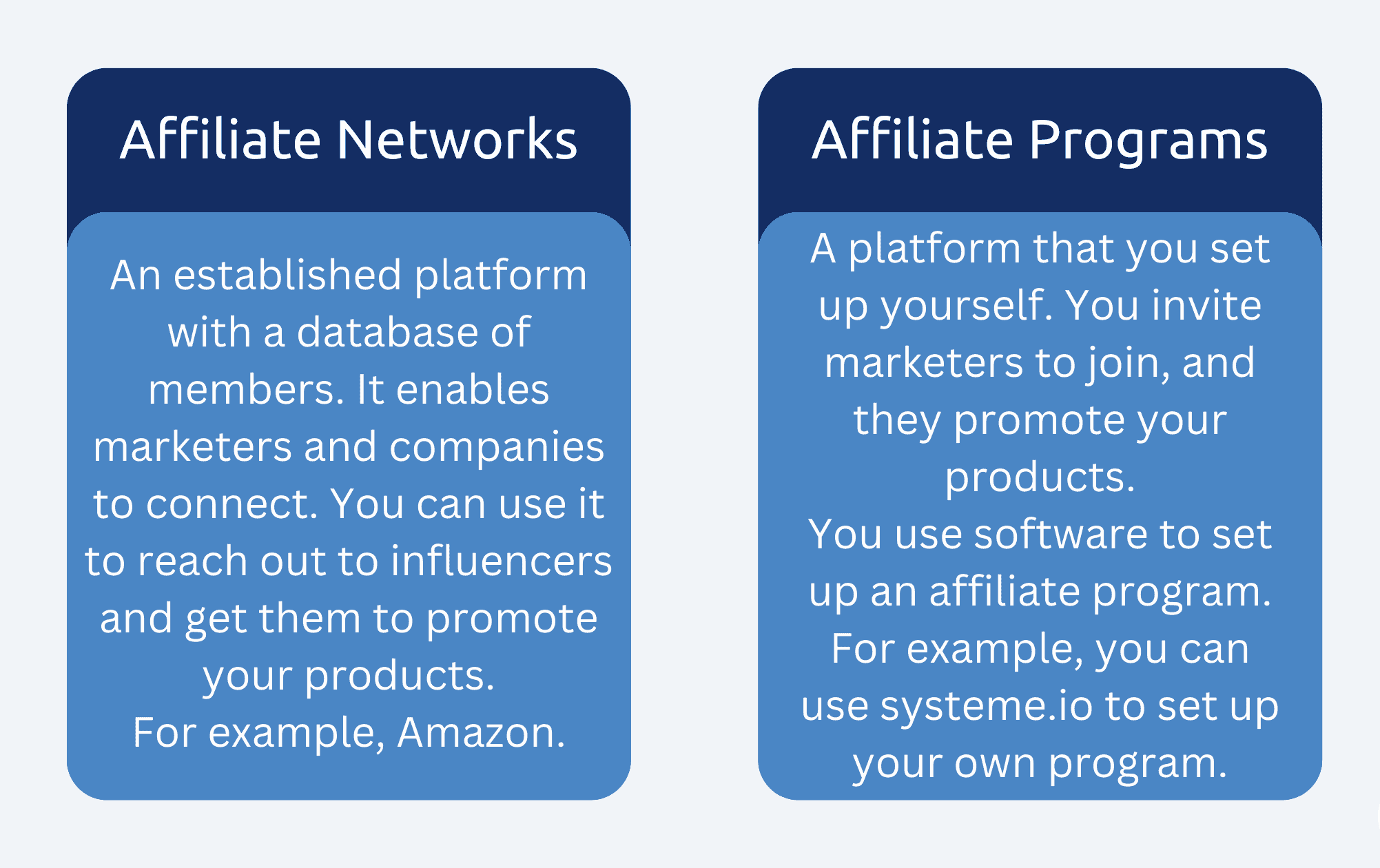
One of your first questions is probably: How do affiliates get the links they market from businesses in the first place?
The answer is through affiliate networks and programs — and we’ll break down these two terms that are often confused with each other.
What is an affiliate network?
An affiliate network acts as an intermediary between sellers and affiliates where businesses can submit their links, and affiliates can choose from the array of offers they want to market.
Some popular affiliate networks include Clickbank, Refersion and Amazon Associates.
A neutral space is created by the top affiliate networks where both businesses and affiliates can join to interact with each other and find what they need.
The advantages include small businesses gaining great exposure to affiliates that they otherwise wouldn’t have access to, and affiliates are provided with an extensive variety of offers to choose from.
However, on the downside, most affiliate networks also require a service fee for sellers or merchants.
What is an affiliate program?
Affiliate programs, on the other hand, are set up solely by businesses.
Affiliates then join a business’ affiliate program and gain access to the business’ links which they can market to their own customers.
The main advantage is that businesses have more control over their program and more direct access to their affiliates which allows them to build closer and stronger seller-affiliate relationships.
Systeme.io gives you everything you need to run your own affiliate program — including powerful affiliate tracking so you can make the most of it!
Plus, it’ll literally cost you nothing to get started.
With systeme.io affiliate program, you can:
-Track your affiliates easily
-Manage affiliate commissions and payouts all in the same place
-Integrate your email list, payment system, and membership sites
-Publish your offers on our marketplace for thousands to see
-Easily send your affiliates their links in just a few clicks
Affiliate marketing is a legitimate way to grow your online business. It alone can bring you as much as a 20% increase in your annual revenue.
How much can affiliates make?
An affiliate’s income is like a plant — you have to nurture and develop it for it to grow and provide a return on your investments.
In the beginning, it's but a simple, generic seed — unassuming on the outside, but holding undiscovered ample potential for growth.
Running an affiliate business requires dedication and time.
Your earnings (as a beginner) are most likely going to be small at the start — but by consistently nurturing your affiliates and links, it can become very profitable as a way to monetize your website or blog.

How are affiliates paid?
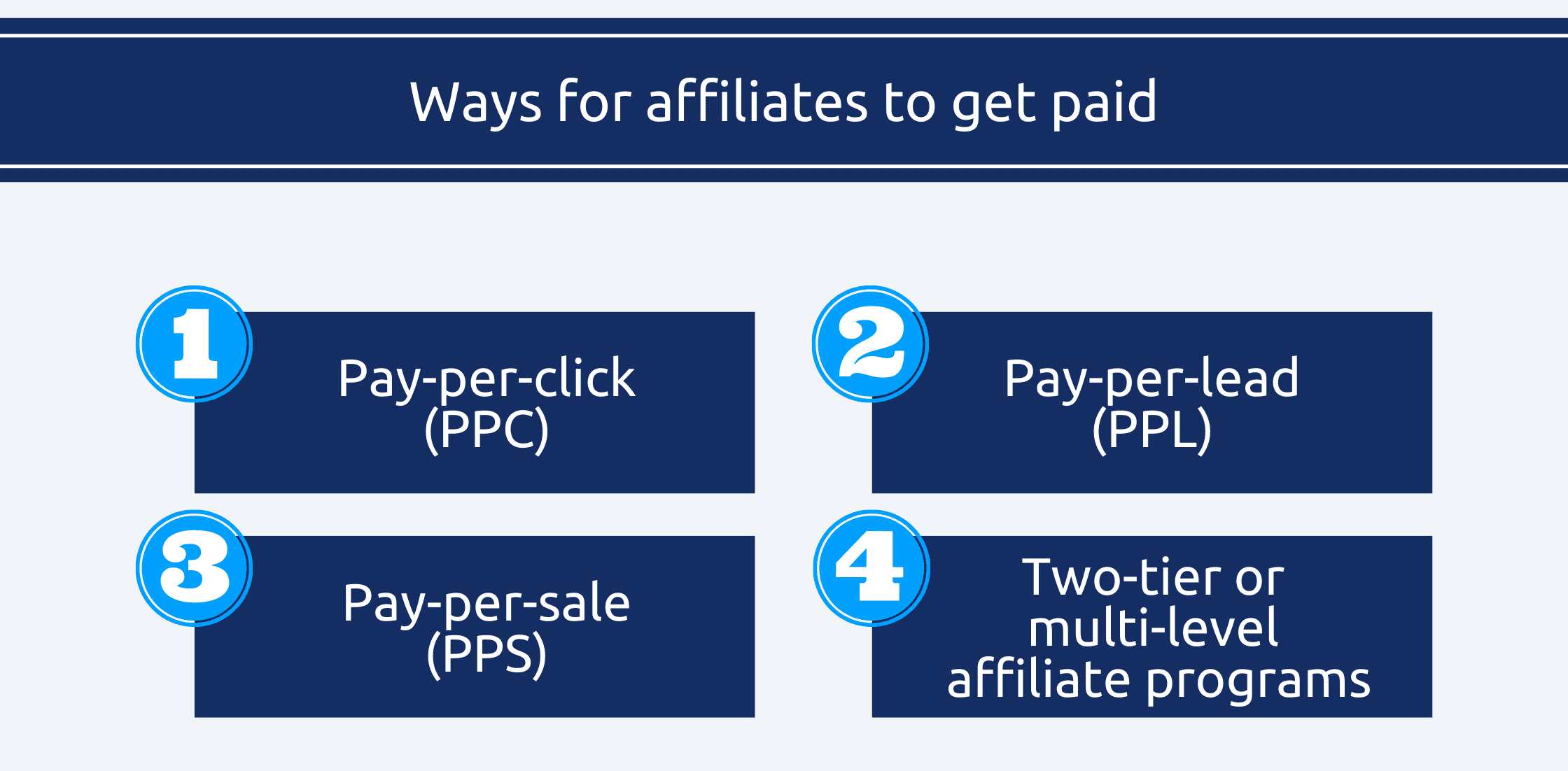
Pay-per-click (PPC)
In this first model, the affiliate is paid for the online traffic they send to the business’ website that they’re marketing.
The affiliate’s only goal is to pique the reader’s interest just enough for them to want to know more — so whether or not the prospect actually purchases something from the business, the affiliate earns money.
More traffic doesn’t always equal more sales, yet the affiliate still gets paid.
Pay-per-lead (PPL)
In this model, for every lead that is converted, the affiliate is paid.
This means that it's the affiliate’s objective to get the lead to follow the link as well as perform the desired action, whether it's submitting a form, signing up for a trial, joining the email list, or buying a product.
This one requires a bit more enticement from the affiliate.
Pay-per-sale (PPS)
This is the most common model as it takes all the pressure from the business and hands it off to the affiliate.
Now, the affiliate only gets paid if a successful purchase is made.
Affiliates need to pull out all the stops for this one, as they not only need to interest the reader but also convince them entirely to make a purchase.
Get started with Systeme.io ’s affiliate marketing
Your affiliate marketing success can literally be one click away!
As you have learned, the question of, “How to make money with affiliate marketing” has a fairly simple answer.
All you have to do is create a platform within your niche, choose a product through an affiliate program or network, craft your content, and get paid.
With systeme.io , you're not just getting a system management tool – you're unlocking a world of possibilities! Seamlessly create stunning websites and launch your own professional blog, all from one convenient platform. And it's completely FREE
Understanding the inner workings, as well as the major strategies, can also teach you how to succeed in affiliate marketing.
Are you interested in affiliate marketing?
Well, what are you waiting for?
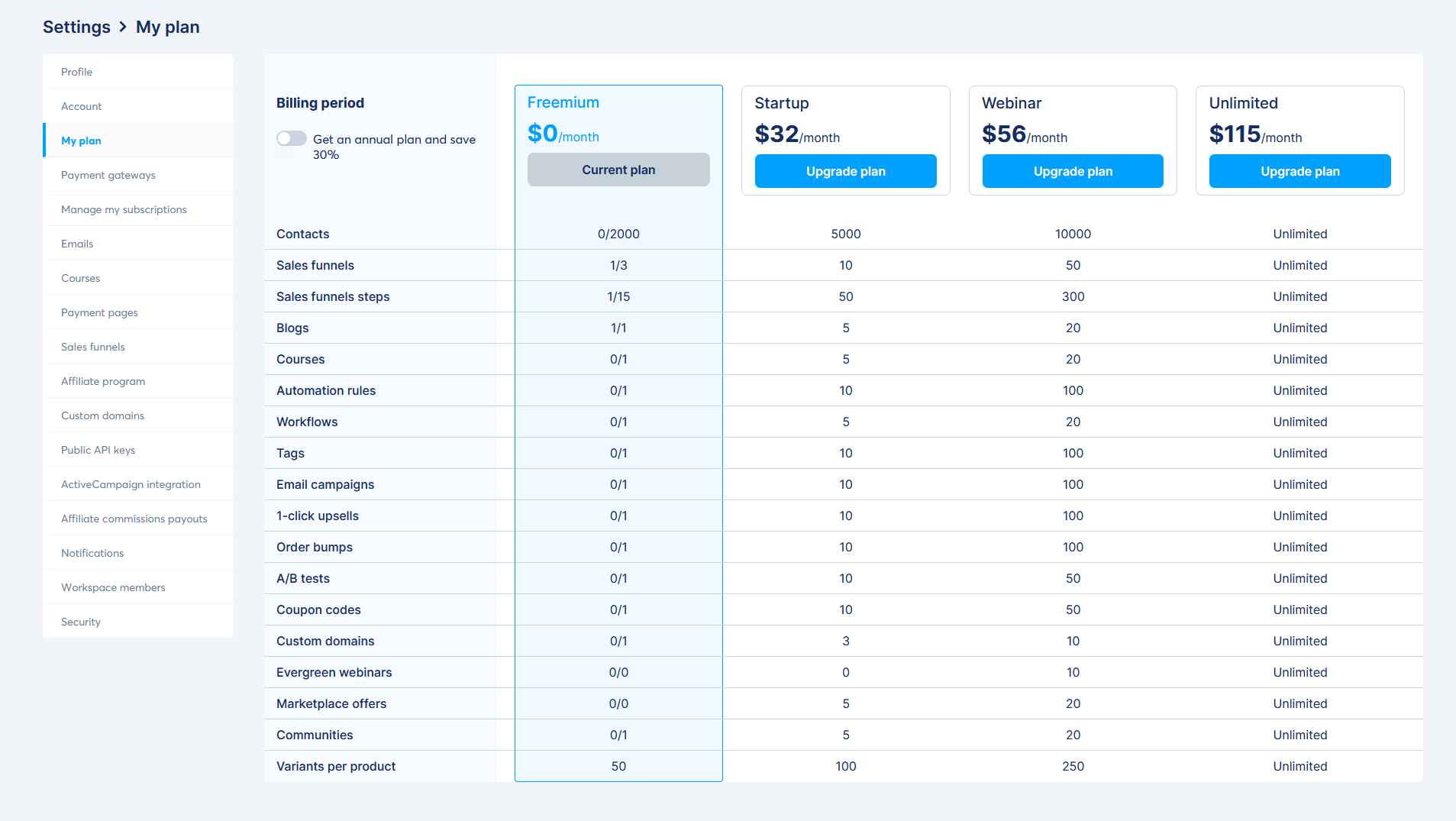
Start your affiliate marketing business today with systeme.io ’s forever free plan!
Get started today
Simply Enter Your Email Address and Get Ready for Better Results!
We HATE spam. Your email address is 100% secure